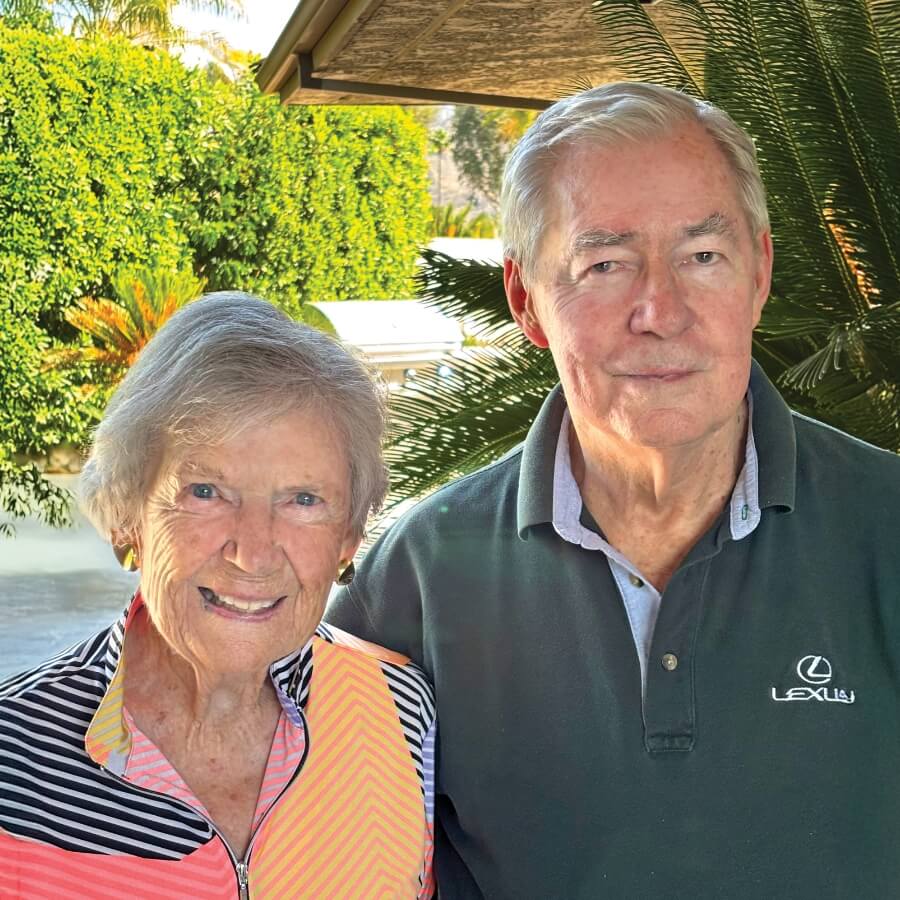
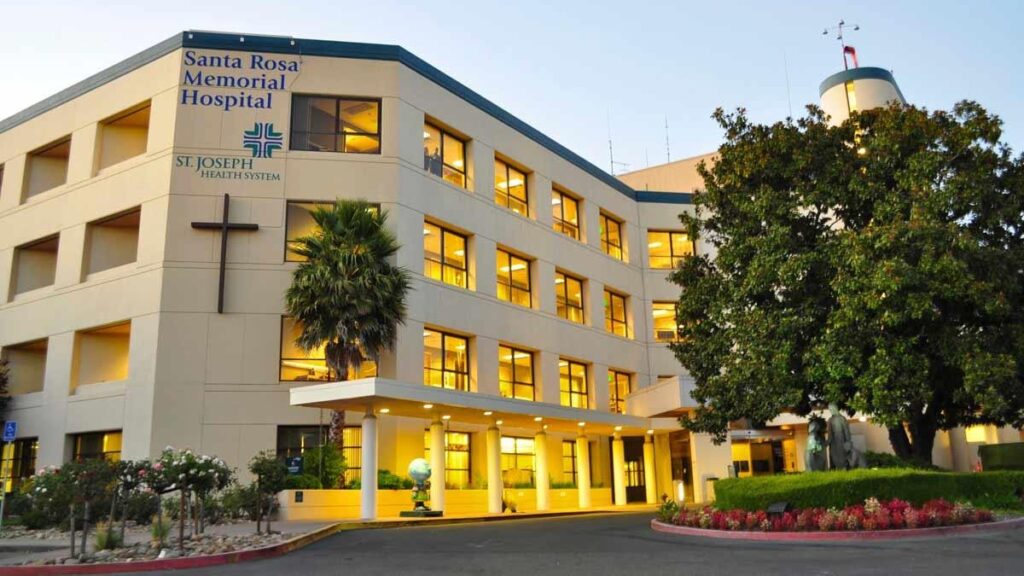
When Susan Broderick arrived at Memorial on Thanksgiving morning, she needed the right team, the right technology and the right training. She found all three.
“I’m going to call an ambulance.”
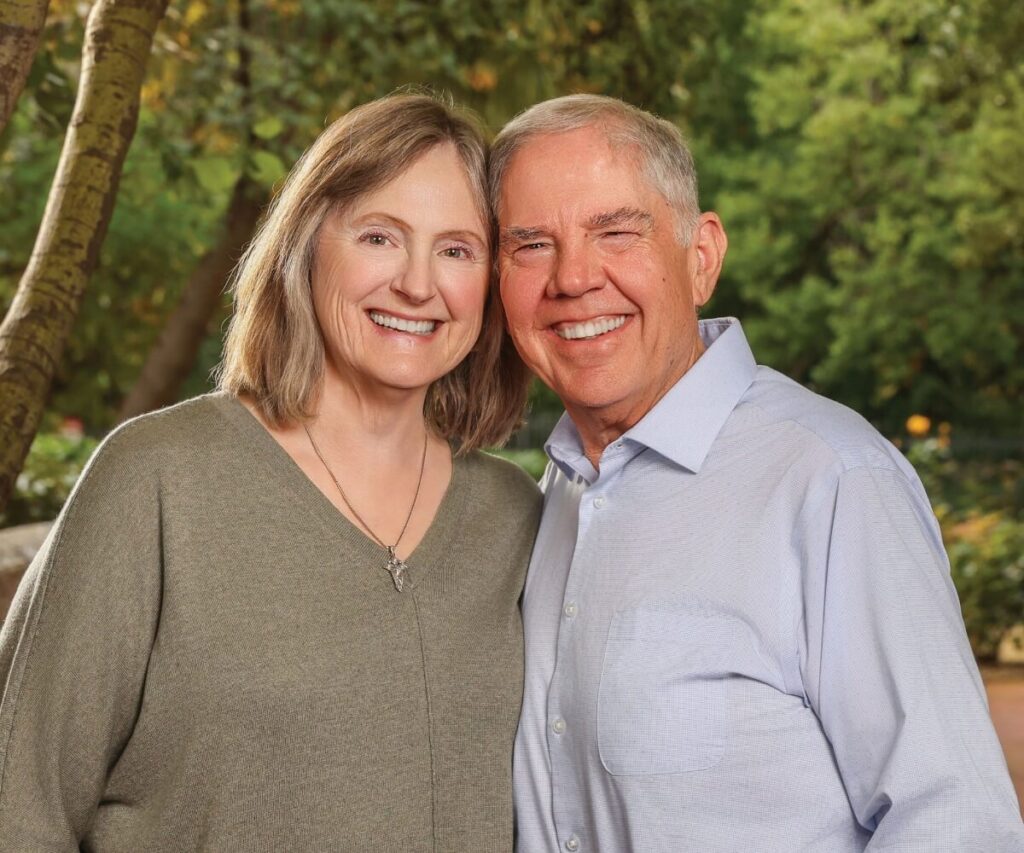
Pat Broderick wasn’t asking. It was Thanksgiving morning, and his wife, Susan, was resting on the couch while he was at the Turkey Trot in Healdsburg. She couldn’t quite catch her breath — no pain, nothing dramatic — but Pat, whose father was a surgeon and mother a nurse, knew better than to wait.
“No, don’t call an ambulance,” Susan insisted. “I’ll have [their daughter] Christie take me to the ER.”
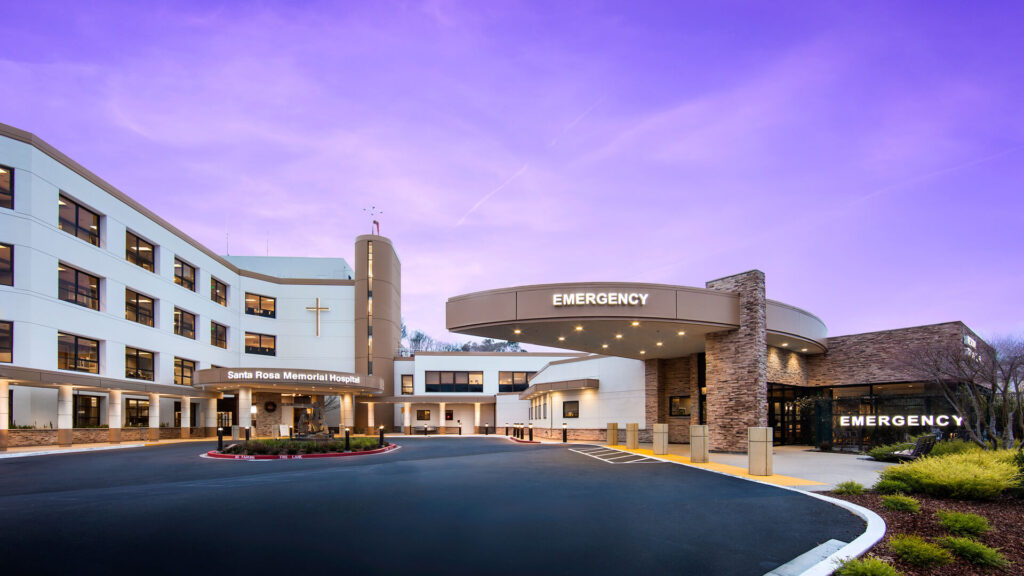
“If you ever have any emergency, go to Memorial,” a previous doctor had told them. So that’s where Susan’s daughter drove her that morning. It was a decision that would save her life.
From the moment Susan arrived, the emergency department team moved fast — test after test, no waiting. They quickly found two blood clots in her left leg, but those didn’t explain the shortness of breath. That’s when Jiandong Wei, M.D., the hospitalist who took charge of Susan’s care, pushed for a contrast CT scan despite one significant complication: Susan is allergic to the iodine-based dye.
“I’m not afraid of that test,” Dr. Wei told them. “It’s all about risk and benefit — and we need to know what’s going on.”
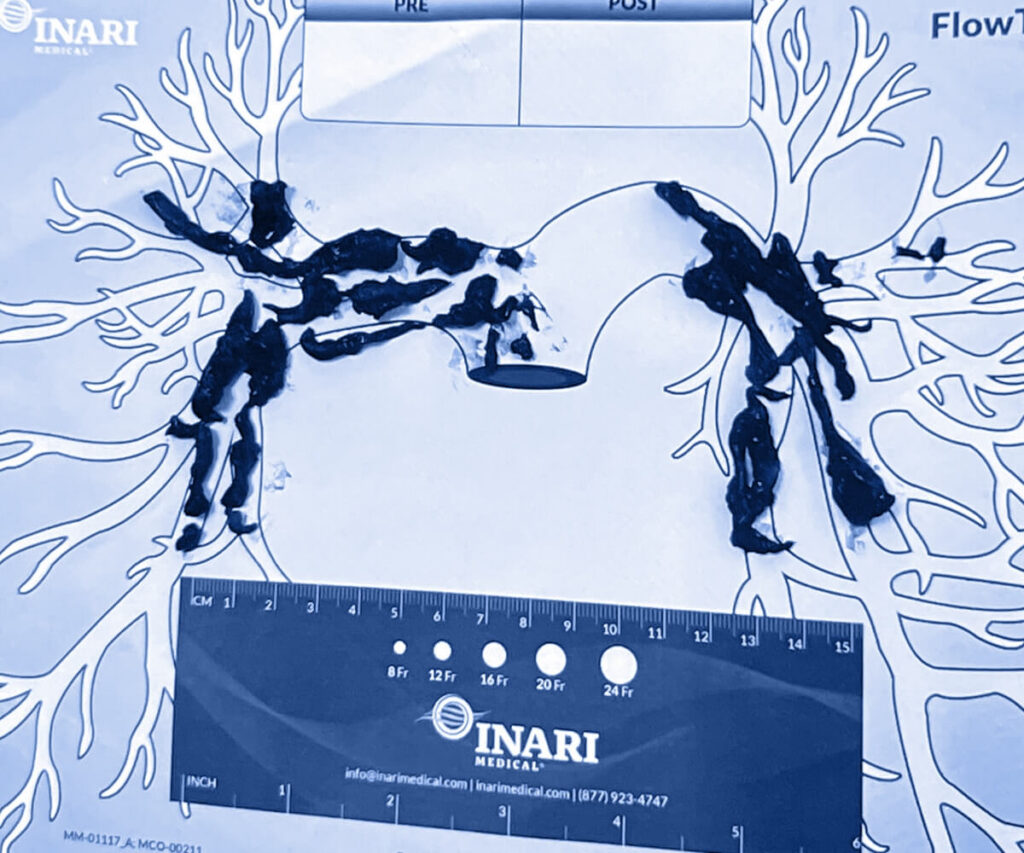
What they found was a saddle pulmonary embolism — a massive clot spanning both lungs, draped directly over Susan’s heart. Large, rare and dangerous.
Enter Interventional Radiologist Alex Page, M.D. Confident and direct, he assessed Susan and delivered his verdict simply: “There’s a big clot. But I can get it.” When Pat asked how quickly Susan might feel a difference, Dr. Page smiled. “Think of me as a plumber. I go in, open things up, get the clots out. It’s pretty much instant.”
He gave Susan a night to decide. The next morning, he called her cell phone. “What do you think?” She told him she wanted to go for it. “I’ll be there in 10 minutes,” he said. “We’re going now.”
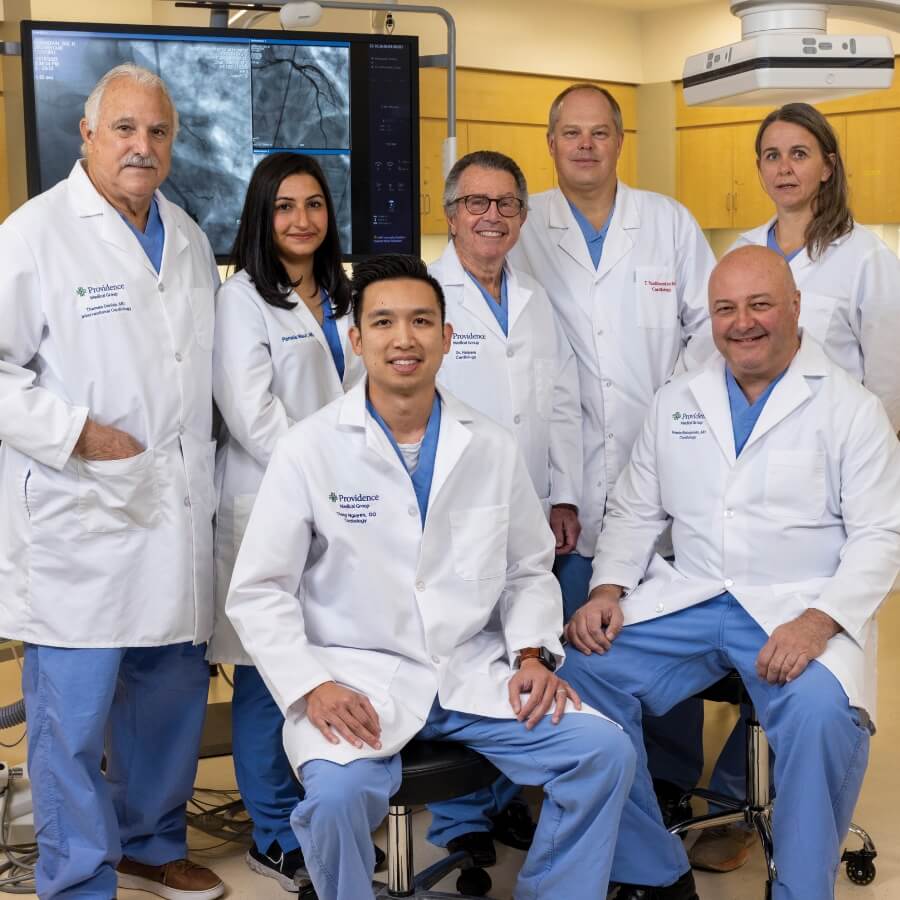
The procedure was performed in Memorial’s cath lab using technology that had only been available in the U.S. for a few years — equipment that requires specialized training to operate. Dr. Page had that training. Memorial had the equipment. Susan was awake throughout, alert enough that she asked the surgical team if there was anything she could do to help. It became one of their favorite stories.
The results were exactly as promised: nearly instant. As Susan was moved out of the procedure suite, her color had already changed.
About a week later, Dr. Page called just to check in. “What surgeon has time to do that?” Pat marvels.
Today, Susan manages a diagnosis of antiphospholipid syndrome — the rare autoimmune condition behind the clots — and walks regularly, travels and remains deeply grateful. She does admit she’s never quite comfortable straying too far from Memorial.
And she has one piece of advice for anyone who’ll listen.
“Listen to your spouse,” she says with a smile, “because sometimes he might be right.”









Share